Wheel of the Year
The Wheel of the Year is the annual cycle of eight sabbats that mark the turning of the seasons. Four solar festivals align with solstices and equinoxes; four cross-quarter festivals fall between them. Together they form the sacred rhythm of birth, growth, harvest, and rest.
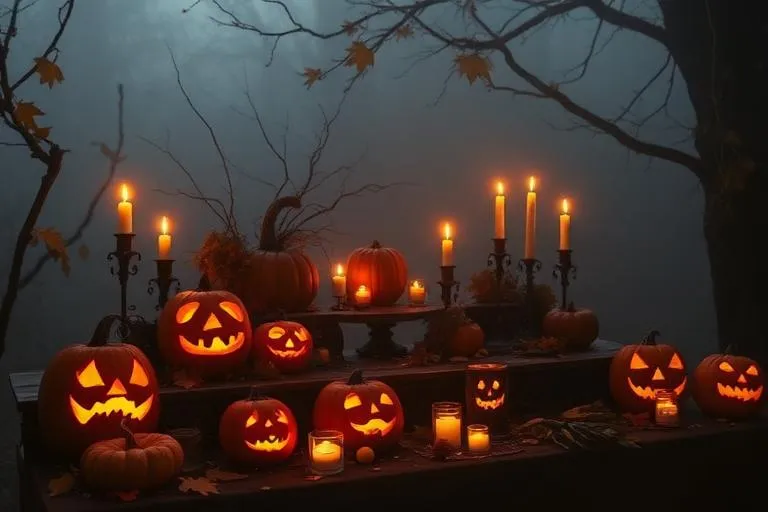
October 31 – November 1
Samhain
Witch's New Year / Halloween • October 31 – November 1
Death, Ancestors & The Thinning Veil
Samhain marks the Witch's New Year and the final harvest. The veil between the living and the dead is at its thinnest, making it the most powerful night for divination, spirit communication, and honoring ancestors. It is the most sacred sabbat in the Wheel of the Year — a time of endings, reflection, and the embrace of darkness before rebirth.
Traditions & Customs
Colors
Black, Orange, Purple, Dark Red
Herbs
Mugwort, Wormwood, Rosemary, Sage
Crystals
Obsidian, Black Tourmaline, Smoky Quartz, Jet
Deities
- Hecate
- The Morrigan
- Hel
- Cernunnos
- Persephone
Altar Items
- Photographs of ancestors
- Black candles
- Apples & pomegranates
- Skulls & bones
- Cauldron
Traditional Foods
Ritual: Ancestor Communication Ritual
- 1Set a place at your table for departed loved ones
- 2Light a black candle and a white candle side by side
- 3Place photos and offerings (food, drink, flowers)
- 4Sit in silence and open your heart to messages
- 5Speak their names aloud and share memories
- 6Thank the spirits and let candles burn down safely
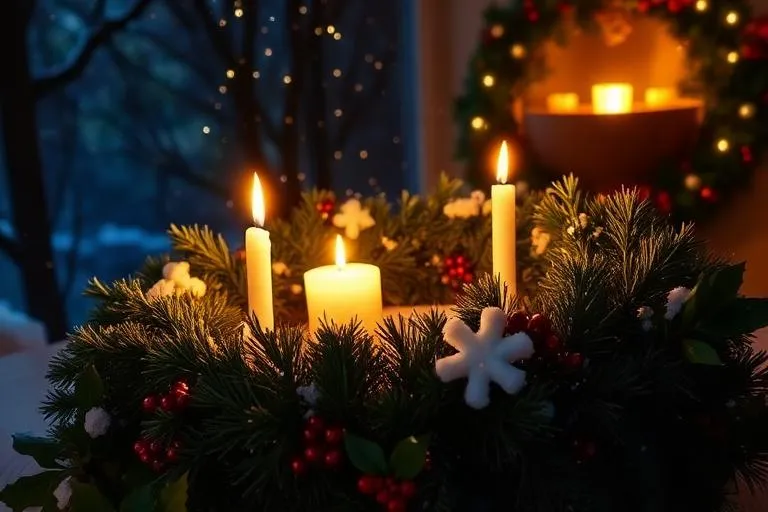
December 20–23
Yule
Winter Solstice • December 20–23
Rebirth of the Sun & Hope in Darkness
Yule celebrates the Winter Solstice — the longest night and shortest day of the year. From this point forward, the sun grows stronger daily. It is a celebration of light returning from darkness, hope born from despair, and the promise that even in the deepest winter, the seed of spring is stirring. The Yule log, evergreen decorations, and gift-giving all have pagan roots.
Traditions & Customs
Colors
Red, Green, Gold, White, Silver
Herbs
Pine, Cedar, Holly, Frankincense
Crystals
Garnet, Ruby, Clear Quartz, Bloodstone
Deities
- The Oak King
- Sol Invictus
- Frigga
- Saturn
- The Holly King
Altar Items
- Yule log
- Holly & ivy
- Gold & red candles
- Pine cones
- Mistletoe
Traditional Foods
Ritual: Yule Log Ceremony
- 1Select a log of oak, ash, or birch
- 2Decorate it with evergreens, berries, and ribbon
- 3Carve wishes and intentions for the coming year into the bark
- 4Light the Yule log at sunset on the longest night
- 5Keep vigil as it burns, sharing stories and songs
- 6Save a piece to light next year's Yule log
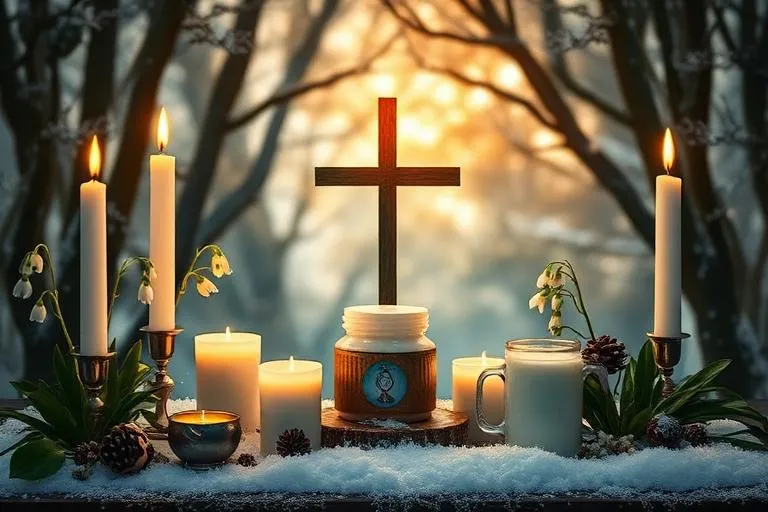
February 1–2
Imbolc
Candlemas / Brigid's Day • February 1–2
Purification, Inspiration & First Light
Imbolc heralds the first stirrings of spring beneath the frozen ground. Sacred to the goddess Brigid, it is a festival of fire, purification, and creative inspiration. Snowdrops push through the snow, ewes begin to lactate (Imbolc means "in the belly"), and the increasing light becomes noticeable. It is a time to cleanse, plan, and prepare for the growth ahead.
Traditions & Customs
Colors
White, Pale Yellow, Light Green, Lavender
Herbs
Angelica, Basil, Bay laurel, Chamomile
Crystals
Amethyst, Moonstone, Turquoise, Clear Quartz
Deities
- Brigid
- Vesta
- Athena
- The Maiden
Altar Items
- White candles
- Brigid's cross
- Snowdrops
- Milk & cream
- Seeds
Traditional Foods
Ritual: Brigid's Flame of Inspiration
- 1Clean and declutter your entire home
- 2Light a white candle at your hearth or altar
- 3Write creative goals and new projects on paper
- 4Pass each paper through the candle smoke to bless it
- 5Create a Brigid's cross from straw or rushes
- 6Hang it above your door for protection all year
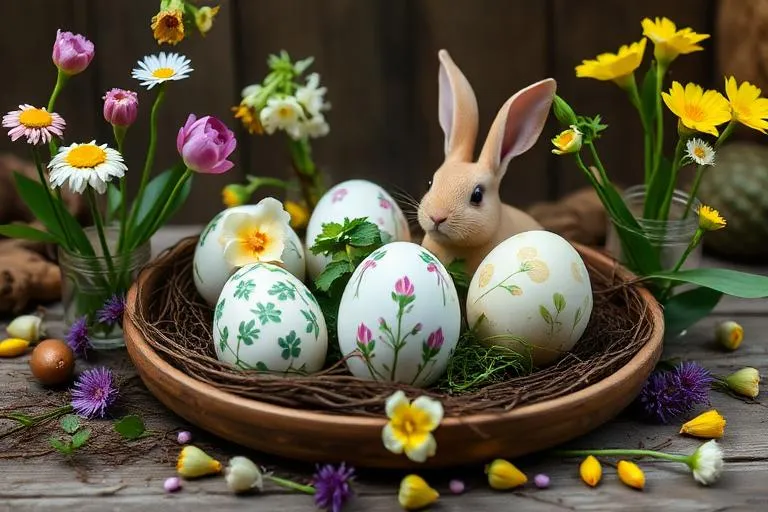
March 19–22
Ostara
Spring Equinox • March 19–22
Balance, Fertility & New Growth
Ostara celebrates the Spring Equinox — the moment of perfect balance when day and night are equal. Named after the Germanic goddess Ēostre (from whom we get "Easter"), it is a festival of fertility, renewal, and the explosive power of new life. Eggs and hares are ancient symbols of this sabbat, representing potential and abundance.
Traditions & Customs
Colors
Pastel pink, Light green, Yellow, Lavender, Robin's egg blue
Herbs
Lemon balm, Daffodil, Violet, Irish moss
Crystals
Rose Quartz, Aquamarine, Aventurine, Jasper
Deities
- Ēostre / Ostara
- Persephone
- The Green Man
- Flora
Altar Items
- Decorated eggs
- Spring flowers
- Seeds & bulbs
- Rabbit figurines
- Pastel candles
Traditional Foods
Ritual: Seed Blessing & Intention Setting
- 1Choose seeds that represent your goals
- 2Hold each seed and whisper your intention into it
- 3Plant them in blessed soil under the equinox sun
- 4Pour moon water around the plantings
- 5As the seeds grow, your intentions manifest
- 6Tend them daily as a meditation practice
May 1
Beltane
May Day • May 1
Passion, Fertility & Sacred Union
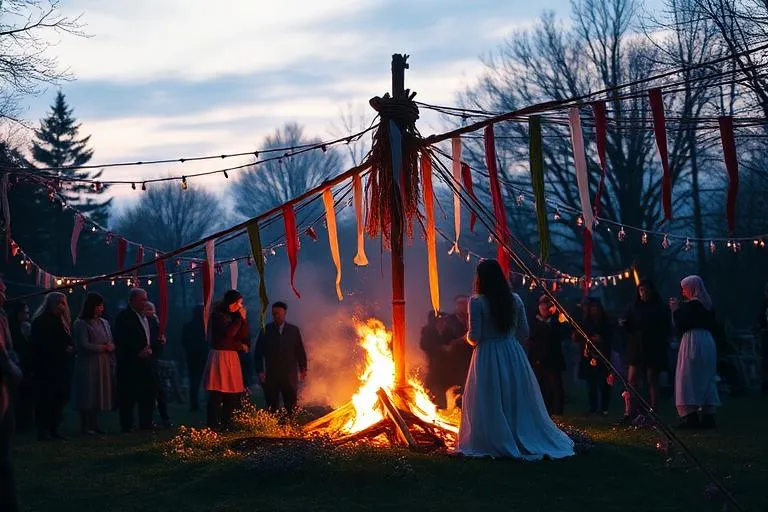
Beltane is the great fire festival of passion, desire, and the sacred marriage of the God and Goddess. It stands opposite Samhain on the Wheel — where Samhain honors death, Beltane celebrates life at its most vibrant. The maypole dance, bonfires, and flower crowns all celebrate the fertile union of earth and sky, masculine and feminine.
Traditions & Customs
Colors
Red, White, Green, Pink, Warm Yellow
Herbs
Rose, Hawthorn, Honeysuckle, Lilac
Crystals
Rose Quartz, Carnelian, Emerald, Rhodonite
Deities
- The May Queen
- The Green Man
- Flora
- Aphrodite
- Cernunnos
Altar Items
- Fresh flowers
- Red & white candles
- Ribbons
- Flower crown
- Antler or horn
Traditional Foods
Ritual: Beltane Fire Blessing
- 1Build two small fires (or use two candles)
- 2Write your deepest desire on red paper
- 3Walk between the fires to purify yourself
- 4Cast the paper into the flame
- 5Dance clockwise (sunwise) around the fire
- 6Leap over the embers for fertility and luck
June 20–23
Litha
Midsummer / Summer Solstice • June 20–23
Peak Power, Abundance & Solar Fire
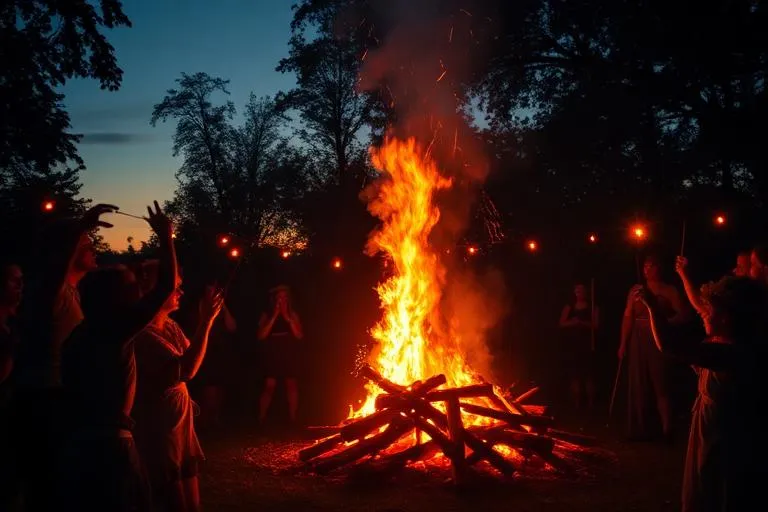
Litha celebrates the Summer Solstice — the longest day and shortest night of the year. The sun is at its absolute peak of power. From this day forward, the light begins its slow descent toward winter. It is a time to celebrate achievements, harness solar energy, and honor the full flowering of life. Bonfires, sunflowers, and outdoor celebrations mark this joyous sabbat.
Traditions & Customs
Colors
Gold, Yellow, Orange, Green, Blue
Herbs
St. John's Wort, Lavender, Chamomile, Mugwort
Crystals
Citrine, Sunstone, Tiger's Eye, Amber
Deities
- The Oak King
- Lugh
- Ra
- Apollo
- Sulis
Altar Items
- Sunflowers
- Golden candles
- Sun wheel
- Oak leaves
- Solar symbols
Traditional Foods
Ritual: Solar Power Charging Ritual
- 1Rise at dawn and greet the sun with arms raised
- 2Place crystals, tools, and water in direct sunlight
- 3At solar noon, stand in full sun and absorb its power
- 4Charge amulets and talismans in the peak light
- 5Make sun water by infusing water with sunlight all day
- 6At sunset, give thanks for the longest light
August 1
Lammas
Lughnasadh • August 1
First Harvest, Gratitude & Sacrifice
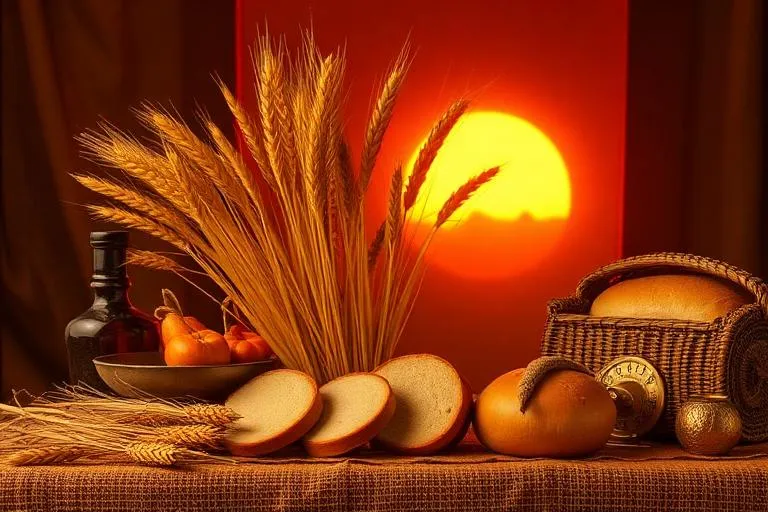
Lammas (Lughnasadh) is the first of three harvest festivals. Named after the Celtic god Lugh, master of all skills, it celebrates the grain harvest — the moment when the seed planted at Ostara yields its first fruits. The first loaf of bread is baked from the new grain and offered in gratitude. It is a time of thanksgiving and acknowledging that every harvest requires sacrifice.
Traditions & Customs
Colors
Gold, Amber, Orange, Bronze, Warm Brown
Herbs
Wheat, Sunflower, Goldenrod, Meadowsweet
Crystals
Citrine, Carnelian, Peridot, Golden Tiger's Eye
Deities
- Lugh
- Demeter
- Ceres
- The Corn Mother
- John Barleycorn
Altar Items
- Wheat sheaves
- Fresh bread
- Corn dolly
- Golden candles
- First fruits
Traditional Foods
Ritual: First Harvest Bread Ritual
- 1Bake bread from scratch, infusing each step with intention
- 2As you knead, focus on what you are grateful for
- 3Shape the bread into a symbolic form (sun, sheaf, spiral)
- 4Bless it over flame and incense before baking
- 5Break the first piece and offer it to the earth
- 6Share the rest with loved ones in a feast of gratitude
September 21–24
Mabon
Autumn Equinox • September 21–24
Balance, Gratitude & Second Harvest
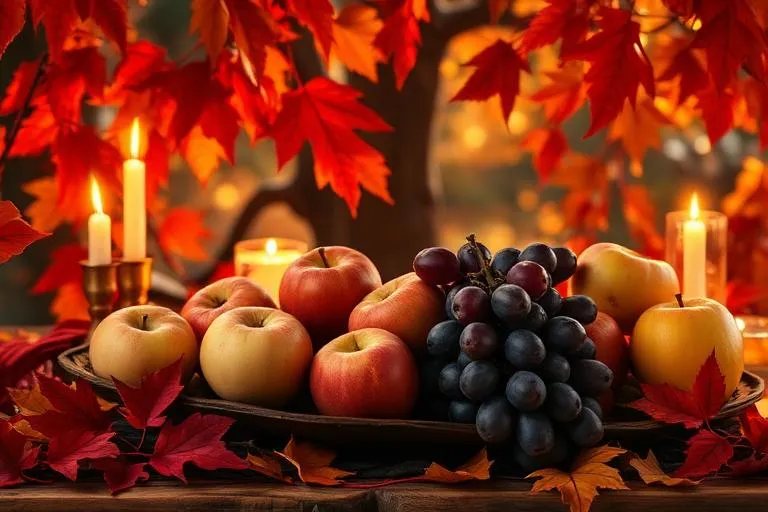
Mabon celebrates the Autumn Equinox — the second point of perfect balance, mirroring Ostara. Day and night are equal once more, but now light yields to darkness. It is the second harvest festival (the apple harvest) and the Pagan Thanksgiving. Mabon invites us to count our blessings, share our abundance, and prepare for the descent into winter's introspection.
Traditions & Customs
Colors
Deep Red, Orange, Brown, Gold, Maroon
Herbs
Sage, Marigold, Myrrh, Thistle
Crystals
Lapis Lazuli, Sapphire, Yellow Topaz, Carnelian
Deities
- Mabon ap Modron
- Persephone
- Demeter
- The Green Man
- Dionysus
Altar Items
- Apples & grapes
- Autumn leaves
- Cornucopia
- Wine & cider
- Acorns & nuts
Traditional Foods
Ritual: Gratitude Apple Spell
- 1Hold a fresh apple and think of everything you're grateful for
- 2Cut the apple in half horizontally to reveal the star (pentagram) inside
- 3Place one half on your altar as an offering
- 4Eat the other half mindfully, savoring each bite
- 5Save the seeds and plant them to symbolize continued growth
- 6Write a gratitude list and keep it through winter
Understanding the Wheel
Solar Festivals vs. Cross-Quarter Days
The four Solar Festivals (Yule, Ostara, Litha, Mabon) are fixed by astronomical events — the solstices and equinoxes. They mark the sun's journey and the extremes of light and darkness. The four Cross-Quarter Days (Samhain, Imbolc, Beltane, Lammas) fall midway between them and are rooted in Celtic agricultural and pastoral traditions. Together they create an eightfold cycle of sacred time.
The God & Goddess Cycle
The Wheel tells the story of the God (Sun) and Goddess (Earth). The God is born at Yule, grows through spring, reaches peak power at Litha, sacrifices himself at Lammas for the harvest, dies at Samhain, and is reborn again. The Goddess transforms through Maiden (Imbolc–Beltane), Mother (Litha–Lammas), and Crone (Mabon–Samhain) — an eternal cycle of death and rebirth.
Living by the Wheel
Observing the Wheel of the Year reconnects us with natural rhythms that modern life often obscures. Each sabbat offers an opportunity to pause, reflect, and align our personal growth with the earth's cycles. You don't need elaborate rituals — simply acknowledging the turning of the seasons with intention is a powerful practice.